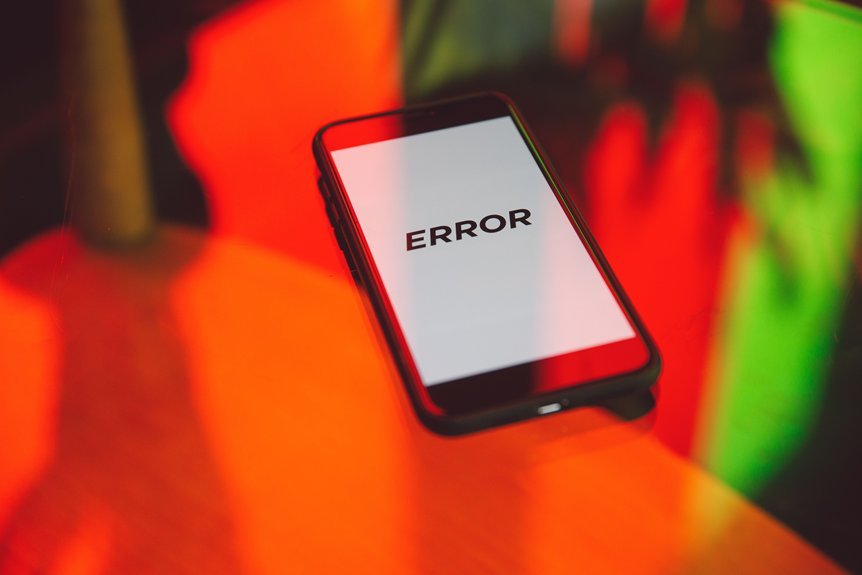
Experts suggest starting with recent call logs, voicemail settings, and any unexpected call forwarding to rule out misdials or carrier glitches. Verify caller ID consistency, inspect device security, and review network connections for anomalies. Common issues include missed calls, failed voicemails, and spoofed numbers. A quick carrier trace can help, and documenting steps supports rapid remediation. The pattern invites a systematic check—but where should the next targeted step lead?
Identify the Source: Is 346-275-2349 Scam, Spoof, or Legitimate Caller
The source of 346-275-2349 should be assessed objectively to determine if it is a scam, spoof, or legitimate contact.
The assessment focuses on identifying spam patterns, verifying legitimacy, and tracing origin.
A structured approach aids troubleshoot glitches and guard devices, while auditing security practices.
Clear conclusions support informed decisions without fear, promoting freedom and responsible communication.
Verify the Number’s Origin: Tools and Steps to Trace Who’s Calling
Are there reliable methods to verify where a call originates and who is dialing? The article outlines tools and steps for verify origin, including call logs, carrier data, and public databases. Tracing steps emphasize documentation and privacy-respecting processes. Caller authentication and source verification are central, enabling confirmation without exposing sensitive details. Clear procedures reduce uncertainty and support informed decisions.
Troubleshooting Common Phone Glitches: Missed Calls, Voicemail, and Call Forwarding
Missed calls, voicemail issues, and unexpected call forwarding commonly disrupt daily communication, yet most problems have straightforward causes and fixes. The guide outlines practical steps: verify missed calls logs, check voicemail settings for greeting and PIN, review call forwarding rules, and confirm device security—update passwords, review unauthorized access, and ensure recent firmware. Clear, concise troubleshooting supports independent resolution and ongoing freedom.
Guard Your Devices: Audit Apps, Settings, and Network Security
Guarding devices extends beyond basic troubleshooting by examining the apps installed, the settings applied, and the network connections in use. This approach emphasizes privacy practices and proactive device hardening.
Regular audits reveal unnecessary permissions, outdated software, and weak passwords. By tightening configurations and monitoring traffic, individuals preserve freedom to explore securely while reducing risk from malware, leaks, and unauthorized access. Continuous vigilance supports resilient autonomy.
Frequently Asked Questions
How Often Do Scammers Spoof Legitimate Numbers Like 346-275-2349?
Spoofing prevalence varies, but scammers frequently exploit caller ID deception to impersonate legitimate numbers. They spoof legitimate numbers like 346-275-2349 to increase trust and bypass scrutiny, creating significant confusion and risk for unsuspecting recipients.
Can a Number’s Origin Be Masked by VOIP Providers?
A number’s origin can appear masked by voip providers, though deciphering requires steps against spoofing. The masked origin persists due to voip tampering practices, challenging verification and emphasizing vigilance for legitimate communication integrity.
What Signs Indicate a Voicemail Phishing Attempt?
Voicemail indicators include unexpected forwarding glitches or altered greetings; phishing cues involve spoofing frequency and masked origins. Contacts permissions changes may reveal suspicious access. Vigilance, calm assessment, and quick reporting help reduce risk while preserving personal freedom.
Do Call-Forwarding Glitches Reveal Network Security Flaws?
Gliding through neon-lit lines, the question remains: do call-forwarding glitches reveal network security flaws? Two word discussion ideas: network myths, call routing. It is answered with cautious clarity: glitches hint vulnerabilities, but require thorough assessment rather than alarm.
Which Apps Most Commonly Access Your Contacts Unintentionally?
Apps access contacts unintentionally most often occur when apps request contact permissions, then quietly harvest data. The pattern shows default sharing through broad permissions, background processes, and optional integrations. Users should audit app access and revoke unnecessary contact permissions.
Conclusion
Conclusion (75 words):
In the realm of numbers, 346-275-2349 can be a doorway or a trap. Juxtaposed against the certainty of verified origins, the fear of spoofed calls grows. Yet diligent checks—logs, voicemails, forwarding—and steadfast device security illuminate truth, even amid uncertainty. Where glitches once bred frustration, careful tracing and disciplined audits reveal patterns. The safer path blends skepticism with method: protect devices, verify identities, and document steps, turning potential chaos into actionable clarity.